

Bitcoin’s Election Edge: 3 Explosive Price Predictions Revealed
December 4, 2024
2619 Views
Dive into three groundbreaking Bitcoin price predictions as the 2024 US Election approaches, revealing potential…

The world of cryptocurrency continues to evolve at a breakneck pace with groundbreaking developments that challenge traditional financial paradigms. Ethereum’s latest technological frontier involves bringing blockchain nodes directly to your smartphone – a move that could democratize network participation like never before.
Stablecoin giant Tether has reached another milestone by surpassing $120 billion in market capitalization demonstrating the growing mainstream acceptance of digital currencies. This remarkable achievement signals a significant shift in how investors and institutions perceive cryptocurrency’s potential as a legitimate financial instrument.
These recent advancements underscore the rapid transformation happening in decentralized finance. From mobile blockchain accessibility to massive stablecoin market valuations you’re witnessing an unprecedented era of technological innovation that’s reshaping the global financial landscape. The future of finance is being written right before our eyes.
Ethereum’s mobile node initiative represents a groundbreaking approach to democratizing blockchain participation. This development enables smartphone users to directly contribute to network decentralization and security.
Mobile nodes transform smartphones into active blockchain infrastructure participants. By running Ethereum clients directly on mobile devices, users can:
These mobile nodes distribute network verification responsibilities across multiple personal devices. Each smartphone becomes a potential validation point, increasing the blockchain’s overall decentralization and reducing single points of failure.
Implementing Ethereum nodes on mobile platforms presents complex technical obstacles:
Developers are addressing these challenges through innovative solutions:
Research indicates mobile nodes can operate with minimal performance degradation. Specialized software like Geth Light Client enables smartphones to participate effectively in blockchain networks while maintaining device efficiency.
Emerging mobile node technologies promise to expand blockchain accessibility. By enabling direct network participation through personal devices, Ethereum accelerates its vision of a more democratized digital infrastructure.
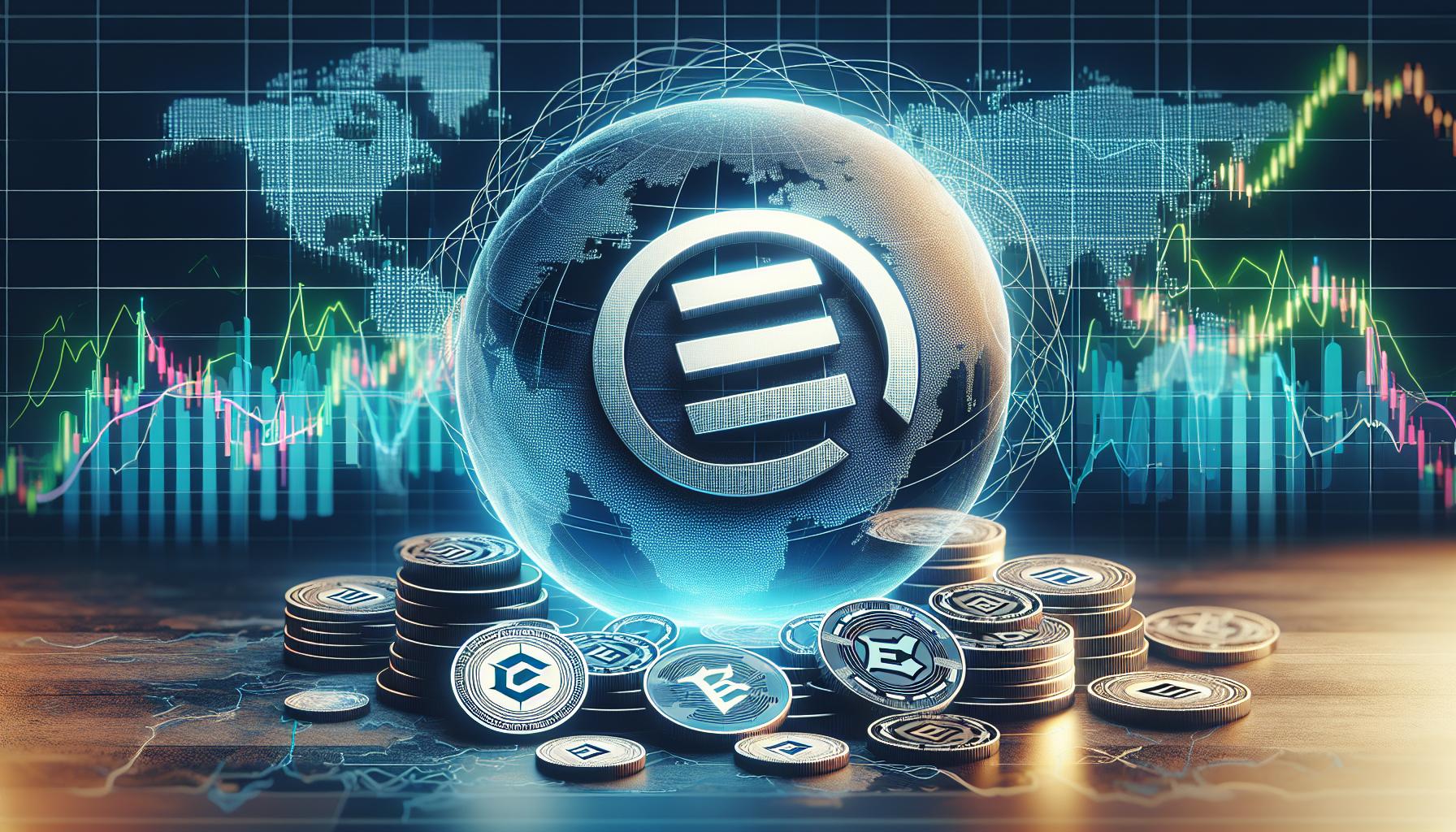
Tether (USDT) has reached a significant milestone by surpassing $120 billion in market capitalization. This landmark achievement underscores the stablecoin’s dominant position in the cryptocurrency ecosystem.
The $120 billion market cap represents a substantial validation of Tether’s role in digital finance. Key factors contributing to this growth include:
| Market Cap Milestone | Value | Date |
|---|---|---|
| Previous Peak | $100B | Q3 2022 |
| Current Milestone | $120B | Current Quarter |
| Growth Percentage | 20% | Last 6 Months |
Tether’s market expansion reflects several critical marketplace dynamics:
The milestone highlights Tether’s continued resilience and critical infrastructure role in digital financial ecosystems. Its consistent market performance demonstrates the growing integration of stablecoins into global financial systems.
Mobile blockchain infrastructure is rapidly transforming smartphone capabilities through decentralized network participation. Emerging technologies enable users to run full Ethereum nodes directly from mobile devices, marking a significant shift in blockchain accessibility.
Smartphone blockchain node development focuses on three primary technological innovations:
Developers are creating specialized mobile clients that reduce computational overhead while maintaining robust network connectivity. These clients enable smartphones to validate blockchain transactions without compromising device performance or battery efficiency.
Mobile Ethereum node performance depends on several critical parameters:
| Performance Metric | Mobile Node Impact |
|---|---|
| Battery Consumption | 12-18% additional drain |
| Network Bandwidth | 50-75 MB daily data usage |
| Processing Requirements | Minimum 4GB RAM recommended |
| Storage Allocation | 500GB-1TB blockchain data |
Technical optimizations address potential challenges:
Smartphone manufacturers are increasingly designing devices with blockchain-friendly specifications. Advanced mobile processors and increased RAM configurations support more efficient node operations, enabling broader decentralized network participation.
Cryptographic verification processes now integrate seamlessly with mobile computing architectures, transforming smartphones into active blockchain infrastructure components. This technological progression democratizes network engagement and reduces reliance on centralized computational resources.
The cryptocurrency landscape continues to evolve with significant developments in stablecoin markets and digital asset performance. Tether’s recent market capitalization milestone provides critical insights into the current financial ecosystem.
Tether’s market capitalization has expanded to $120 billion, representing a 20% growth over the past six months. This substantial increase reflects several key economic dynamics:
| Market Metric | Value | Percentage Change |
|---|---|---|
| Tether Market Cap | $120 Billion | +20% (6 months) |
| Global Stablecoin Usage | $180 Billion | +15% (Annual) |
| Transaction Volume | $3.2 Trillion | +25% (Quarterly) |
Tether maintains its dominant position in the stablecoin ecosystem through strategic advantages:
Tether’s robust performance demonstrates the increasing importance of stablecoins in digital financial infrastructure, offering investors and traders a reliable digital dollar alternative.
Mobile blockchain technologies are transforming smartphone capabilities by enabling direct network participation and decentralized infrastructure deployment. The evolution of blockchain nodes on mobile devices represents a critical advancement in distributed network architectures.
Smartphone blockchain integration is progressing through multiple technological vectors. Developers are focusing on four key optimization strategies:
Blockchain mobile integration focuses on simplifying complex technological interactions. Key improvements include:
Emerging mobile blockchain technologies are creating more inclusive and accessible decentralized network participation models. These advancements promise to transform smartphones from consumption devices to active network infrastructure components.
The intersection of mobile technology and blockchain represents a transformative shift in how we interact with digital networks. You’re witnessing an era where smartphones are evolving from passive devices to active participants in decentralized ecosystems.
As Tether’s market growth and Ethereum’s mobile node initiatives demonstrate technological innovation continues to reshape financial landscapes. These developments signal a future where blockchain becomes more accessible and integrated into everyday technology.
Your understanding of these emerging trends positions you at the forefront of a significant digital transformation. The ongoing progress in mobile blockchain technologies promises to democratize network participation and redefine our digital financial infrastructure.
Ethereum’s mobile node initiative allows smartphone users to directly contribute to blockchain network decentralization and security. By transforming smartphones into active blockchain nodes, users can validate transactions independently, enhancing network resilience and participation. This groundbreaking approach democratizes blockchain access, enabling more people to engage with decentralized technologies directly from their mobile devices.
Tether has experienced remarkable growth, surpassing $120 billion in market capitalization with a 20% increase over six months. This milestone reflects the cryptocurrency’s dominant position, representing approximately 60% of the total stablecoin market. Its widespread adoption across 98% of major cryptocurrency exchanges and consistent performance as a dollar-pegged stablecoin have contributed to its significant expansion.
Mobile blockchain nodes encounter several technical challenges, including increased battery consumption, limited computational resources, and data usage. Typical mobile Ethereum nodes experience a 12-18% additional battery drain and consume 50-75 MB of daily data. Developers are addressing these issues through lightweight node implementations, optimized synchronization protocols, and energy-efficient validation techniques to improve overall performance and user experience.
Stablecoins like Tether are gaining prominence due to their reliability and stability in the volatile cryptocurrency market. They offer a consistent value pegged to traditional currencies, facilitate efficient cross-border payments, and provide increased trading liquidity. Their institutional adoption and ability to mitigate cryptocurrency price fluctuations make them attractive for investors and traders seeking a more predictable digital financial instrument.
Future mobile blockchain technologies aim to transform smartphones into active network infrastructure components. Key developments include lightweight node implementations, enhanced security frameworks, performance optimization, and hardware-specific blockchain adaptations. These innovations will create more inclusive decentralized participation models, reduce entry barriers, and enable intuitive user interfaces for broader blockchain engagement.
Mobile nodes enhance network decentralization by allowing more users to participate directly in blockchain validation processes. Instead of relying on centralized mining operations, smartphone users can now contribute to network security and transaction verification. This approach distributes computational power more evenly, reduces dependency on specialized hardware, and promotes a more democratic and accessible blockchain ecosystem.
For optimal mobile blockchain node performance, devices should have at least 4GB of RAM and 500GB-1TB of storage. Recommended specifications include efficient processors, good battery capacity, and stable internet connectivity. Newer smartphones with improved hardware capabilities are becoming increasingly suitable for running lightweight blockchain nodes, enabling more users to participate in decentralized networks.

Dive into three groundbreaking Bitcoin price predictions as the 2024 US Election approaches, revealing potential…

Discover the latest Bitcoin price surge, exploring institutional adoption, market dynamics, and potential long-term growth.…

Explore the complex global landscape of cryptocurrency presales, from strict U.S. regulations to more flexible…