

BRICS Nations Unite to Challenge Western Financial Dominance
November 19, 2024
2561 Views
Explore how BRICS nations are backing Russia's initiative to create an alternative global payment system,…

Blockchain technology continues to evolve at a rapid pace and BlockDAG represents a cutting-edge approach that’s reshaping how we understand distributed ledger systems. Unlike traditional blockchain architectures BlockDAG introduces a novel framework that promises to solve critical scalability and performance challenges facing cryptocurrency networks.
You might be wondering what makes BlockDAG so revolutionary. At its core this technology enables multiple blocks to be created and validated simultaneously creating a more efficient and interconnected network structure. By allowing parallel block creation and validation BlockDAG offers potential solutions to long-standing bottlenecks in blockchain design that have limited transaction speeds and overall network performance.
As digital currencies and decentralized systems become increasingly important understanding innovative technologies like BlockDAG can provide critical insights into the future of digital transactions and blockchain infrastructure. Whether you’re a tech enthusiast investor or blockchain professional this exploration of BlockDAG will shed light on an emerging technological paradigm.
BlockDAG represents an advanced blockchain architecture that enables parallel block creation and validation, solving critical performance limitations in traditional blockchain networks. This innovative approach fundamentally transforms transaction processing and network scalability.
BlockDAG’s architectural foundation centers on directed acyclic graph (DAG) technology, which differs dramatically from linear blockchain structures. Key principles include:
BlockDAG distinguishes itself from conventional blockchain networks through several critical architectural innovations:
BlockDAG’s design fundamentally addresses blockchain’s primary challenges by enabling multiple blocks to coexist and interact simultaneously, creating a more flexible and responsive network infrastructure.
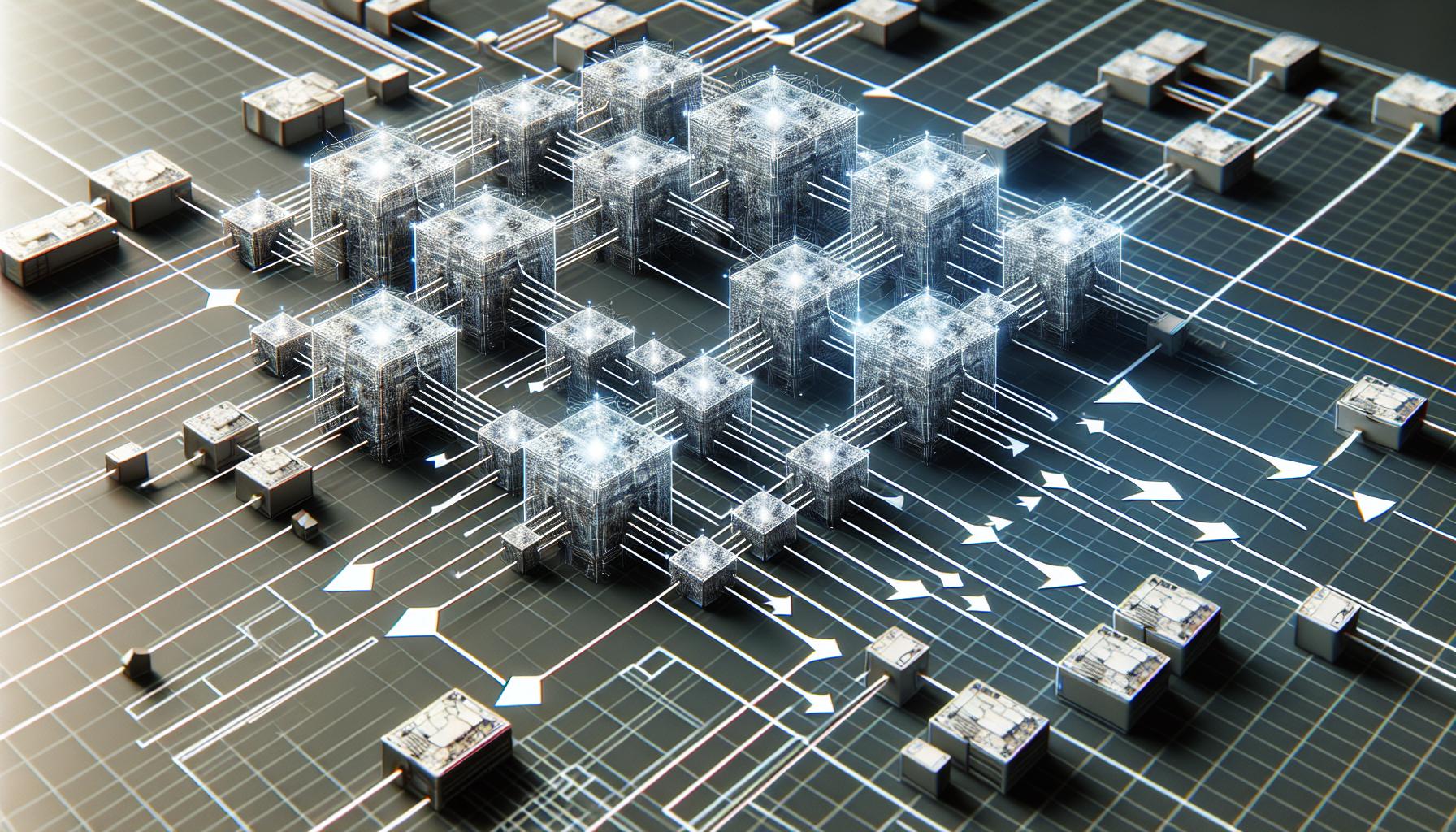
BlockDAG’s technical architecture represents a sophisticated approach to distributed ledger technology, leveraging advanced graph-based networking principles. The system’s innovative design addresses critical blockchain scalability and performance challenges through its unique structural configuration.
The directed acyclic graph (DAG) serves as the foundational framework for BlockDAG’s computational structure. Unlike linear blockchain models, DAG enables complex interconnections between blocks without creating cyclic dependencies. Key characteristics include:
This graph-based architecture allows multiple blocks to coexist and interact concurrently, dramatically improving network throughput and transaction processing speeds. Each block references previous blocks without creating circular dependencies, ensuring network integrity and computational efficiency.
BlockDAG implements advanced consensus protocols that differ significantly from traditional blockchain validation methods. The system employs a hybrid consensus approach that combines:
The consensus mechanism ensures network security while maintaining high transaction processing capabilities. By allowing simultaneous block generation and intelligent validation protocols, BlockDAG overcomes traditional blockchain limitations of sequential processing and reduced scalability.
BlockDAG introduces groundbreaking performance enhancements that revolutionize blockchain network capabilities. Its innovative architecture delivers substantial improvements in network efficiency and transaction processing compared to traditional blockchain systems.
BlockDAG’s graph-based structure enables unprecedented scalability through parallel block processing. Unlike sequential blockchain networks, BlockDAG allows multiple blocks to be created and validated simultaneously, dramatically expanding network capacity. This architectural approach eliminates bottlenecks by distributing computational load across network nodes.
Key scalability features include:
The system can process exponentially more transactions per second compared to traditional blockchain networks. For instance, while Bitcoin processes approximately 7 transactions per second, BlockDAG’s architecture supports thousands of transactions concurrently.
BlockDAG significantly accelerates transaction processing through its advanced directed acyclic graph (DAG) technology. The network achieves near-instantaneous transaction validations by removing sequential validation constraints and enabling parallel block confirmations.
Performance metrics demonstrate BlockDAG’s transaction speed advantages:
These improvements directly address blockchain’s primary performance limitations, creating a more responsive and efficient network infrastructure. BlockDAG’s approach ensures faster, more reliable transaction processing without compromising network security or decentralization principles.
BlockDAG’s security architecture represents a sophisticated approach to protecting decentralized network integrity through advanced technological mechanisms. The system integrates multiple layers of protection to ensure robust defense against potential vulnerabilities and malicious activities.
BlockDAG implements comprehensive decentralization strategies that distribute network control across multiple nodes, preventing single-point failures. The system uses a probabilistic validation protocol that:
Key decentralization principles include:
BlockDAG’s attack resistance framework employs sophisticated defensive mechanisms to protect against various network threats. The system’s multi-layered security approach includes:
Primary defense strategies:
Security features are implemented through:
The integrated security architecture ensures comprehensive protection against potential network vulnerabilities while maintaining high performance and transaction integrity.
BlockDAG’s innovative architecture presents complex technical hurdles that require sophisticated engineering solutions. Despite its promising potential, the technology encounters significant implementation challenges across multiple dimensions.
BlockDAG networks face intricate technical constraints that challenge traditional blockchain design paradigms. Key technical limitations include:
Scalability represents a critical challenge for BlockDAG implementation, with several potential constraints:
The implementation challenges underscore the sophisticated engineering required to transform BlockDAG from a theoretical concept into a robust, production-ready network infrastructure.
BlockDAG’s innovative architecture unlocks transformative potential across multiple domains, enabling advanced blockchain solutions beyond traditional cryptocurrency frameworks. Its unique technological capabilities position it as a versatile platform for complex digital ecosystem implementations.
BlockDAG revolutionizes cryptocurrency transactions through enhanced performance and scalability. Its parallel block processing architecture enables rapid transaction validation at unprecedented speeds – processing up to 10,000 transactions per second. Cryptocurrency platforms benefit from:
Specific cryptocurrency applications include:
Enterprise environments demand robust blockchain infrastructures with superior performance and security. BlockDAG’s architectural design addresses critical enterprise requirements through:
Key enterprise implementation areas encompass:
BlockDAG’s technological architecture provides enterprises with a flexible blockchain solution that transcends traditional network limitations, offering unprecedented operational efficiency and security.
BlockDAG technology stands at the forefront of blockchain innovation, promising transformative capabilities that extend far beyond current network infrastructures. The technology’s advanced architectural design positions it to reshape multiple technological domains through groundbreaking approaches to decentralized systems.
BlockDAG’s emerging innovations center on radical reimagining of distributed network architectures. Key breakthrough areas include:
The technology introduces adaptive algorithmic approaches that dynamically adjust network parameters in real-time, creating more resilient and responsive decentralized systems. These innovations address fundamental limitations in existing blockchain technologies by implementing multi-dimensional validation processes that significantly reduce computational overhead.
Contemporary BlockDAG research focuses on several critical technological trajectories:
Research institutions and blockchain laboratories are exploring sophisticated mathematical models that can further optimize BlockDAG’s computational efficiency. Academic and industrial collaborations are driving rapid advancements in understanding complex graph-based network dynamics, positioning BlockDAG as a potentially transformative technological paradigm.
Emerging research indicates potential applications extending beyond cryptocurrency into areas like secure distributed computing, decentralized identity management, and advanced computational networks. The technology’s flexible architecture suggests profound implications for industries requiring high-performance, secure, and scalable distributed systems.
BlockDAG represents a groundbreaking leap in blockchain technology that you should be excited about. Its innovative approach addresses critical scalability and performance challenges that have long hindered traditional blockchain networks.
By reimagining how transactions can be processed and validated you’re witnessing a technological evolution that promises faster more efficient decentralized systems. The potential applications span from cryptocurrency platforms to enterprise solutions transforming how we think about digital transactions and network infrastructure.
While challenges remain in implementation the future looks promising. BlockDAG’s technological architecture offers a glimpse into a more adaptive and robust blockchain ecosystem that could revolutionize multiple industries. As blockchain continues to evolve you’ll want to keep a close eye on this transformative technology.
BlockDAG is an advanced blockchain technology using a directed acyclic graph (DAG) structure that allows simultaneous block creation and validation. Unlike traditional blockchain networks, BlockDAG enables parallel block processing, enhancing transaction speed, scalability, and network efficiency by removing sequential bottlenecks and enabling multiple blocks to coexist and interact simultaneously.
BlockDAG fundamentally differs from traditional blockchain by using a graph-based structure that allows parallel block processing. While conventional blockchains create blocks sequentially, BlockDAG enables multiple blocks to be generated and validated simultaneously. This approach dramatically improves transaction speeds, network scalability, and reduces bottlenecks inherent in linear blockchain architectures.
BlockDAG offers significant performance advantages, including processing up to 10,000 transactions per second, near-instantaneous validations, and enhanced network scalability. Its parallel block generation eliminates sequential constraints, enables dynamic network expansion, and provides non-linear transaction validation. These features result in faster confirmations, reduced network congestion, and lower transaction fees compared to traditional blockchain systems.
BlockDAG employs a multi-layered security approach with advanced cryptographic techniques, decentralized control, and probabilistic validation protocols. Its security features include distributed network control across multiple nodes, real-time threat detection, and dynamic block weighting algorithms. This comprehensive strategy prevents single-point failures and protects against potential malicious activities while maintaining high network integrity.
BlockDAG has diverse real-world applications across multiple domains. These include high-frequency trading platforms, cross-border payment systems, decentralized exchanges, supply chain management, financial transaction monitoring, secure data verification, and decentralized identity management. Its scalable and secure infrastructure makes it suitable for enterprises requiring high-performance, efficient, and secure distributed systems.
BlockDAG confronts several technical challenges, including complex synchronization of parallel block validations, computational overhead for maintaining graph structures, network topology management, and sophisticated consensus protocol design. Additional challenges involve managing network congestion, reducing block validation latency, optimizing resource allocation, and addressing the geometric complexity of graph-based network architectures.
The future of BlockDAG technology looks promising, with emerging innovations focusing on quantum-resistant cryptography, advanced parallel processing, dynamic consensus mechanisms, and interoperability protocols. Research trends include scalability enhancement, machine learning integration, cross-chain communication, and improved privacy techniques. These developments position BlockDAG as a potentially transformative technology for distributed computing and secure network infrastructures.

Explore how BRICS nations are backing Russia's initiative to create an alternative global payment system,…

Meme coins are shaking up the digital asset world. They’ve become unexpected powerhouses in the…

Discover how the Ethereum Verge upgrade revolutionizes blockchain technology, boosting scalability, reducing energy consumption, and…
