

PepeCoin Price Prediction: Meme Crypto’s Wild Ride Ahead
November 14, 2024
2651 Views
Dive into the world of PepeCoin, a meme-inspired cryptocurrency with potential for explosive growth. Explore…
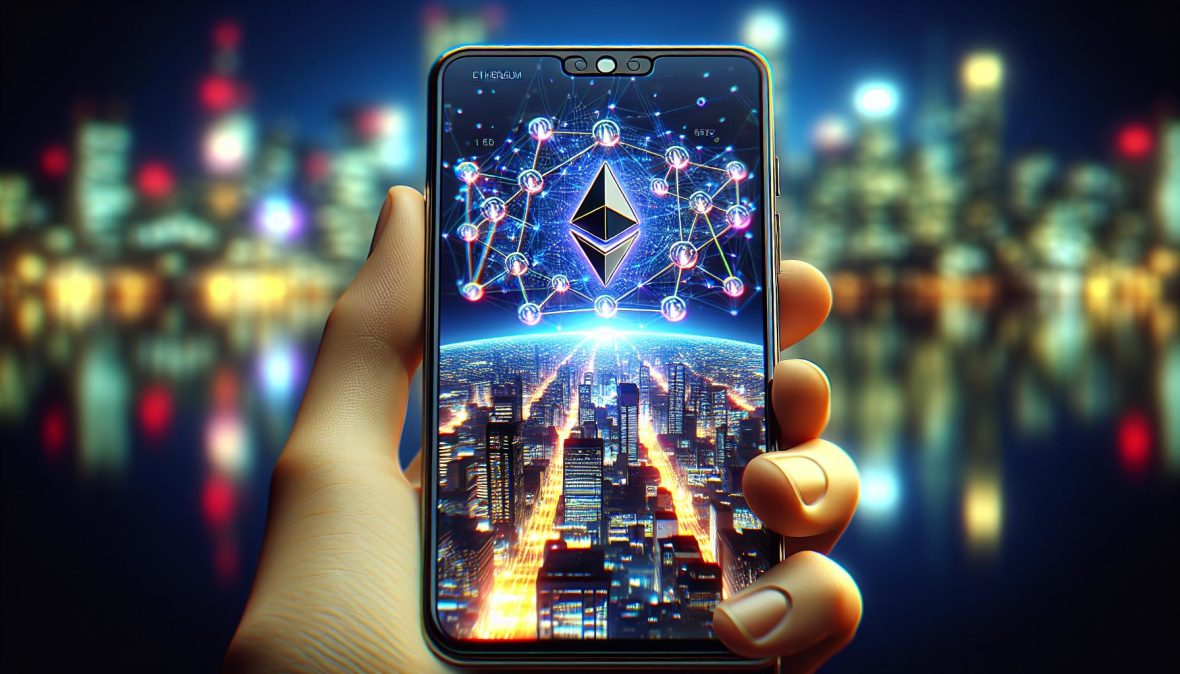
Ethereum’s blockchain technology is about to undergo a revolutionary transformation with ‘The Verge’ upgrade. This groundbreaking development promises to make blockchain participation more accessible than ever by enabling nodes to run directly on mobile devices. You’ll soon be able to contribute to the Ethereum network right from your smartphone—a capability that could dramatically democratize blockchain infrastructure.
The upgrade represents a significant leap forward in decentralization and user participation. By reducing computational requirements and allowing lightweight node operations on mobile platforms Ethereum is breaking down traditional barriers to entry. You’re looking at a future where anyone with a smartphone can become an active participant in one of the world’s most important blockchain networks—no specialized hardware required.
This shift isn’t just technical—it’s transformative. It signals a new era of blockchain accessibility that could fundamentally change how individuals interact with decentralized technologies.
Ethereum’s ‘The Verge’ upgrade represents a groundbreaking transformation in blockchain node participation. This update introduces revolutionary modifications that dramatically reduce computational requirements for network validation.
The Verge upgrade centers on implementing ZK-SNARK technology, which enables lightweight cryptographic proofs for transaction verification. These advanced cryptographic techniques allow smartphones to process blockchain transactions with minimal computational overhead.
Key innovations include:
Technical specifics involve zero-knowledge proof algorithms that compress entire blockchain transaction histories into compact, verifiable cryptographic signatures. This compression enables mobile devices to participate in network validation without storing complete blockchain data.
The upgrade fundamentally transforms Ethereum’s scalability by democratizing network participation. Mobile nodes can now validate transactions, significantly expanding the network’s decentralization potential.
Scalability enhancements include:
By enabling phone nodes, Ethereum removes traditional barriers to blockchain validation. Users worldwide can now contribute to network security and consensus directly from their smartphones, marking a pivotal moment in decentralized technology evolution.

Ethereum’s ‘The Verge’ upgrade revolutionizes network participation by enabling smartphones to function as blockchain nodes. This technological breakthrough dramatically reduces computational barriers and expands global blockchain accessibility.
Mobile nodes represent a paradigm shift in blockchain infrastructure. Your smartphone becomes a powerful network validation tool through lightweight cryptographic mechanisms. The upgrade allows devices with limited computational resources to:
The ZK-SNARK technology enables compact cryptographic proofs that eliminate traditional node synchronization challenges. By implementing sophisticated compression algorithms Ethereum transforms mobile devices into potential network contributors.
Phone node participation requires specific technical configurations:
| Requirement | Specification |
|---|---|
| Minimum RAM | 4GB |
| Storage | 64GB minimum |
| Network Connection | Stable 5G/WiFi |
| Processor | Quad-core 2.0GHz |
| Operating System | Android 10+ / iOS 14+ |
Your device must support advanced cryptographic processing capabilities. The upgrade ensures minimal performance impact while maintaining robust security protocols. Lightweight verification mechanisms allow seamless background node operations without compromising smartphone functionality.
The Verge upgrade introduces groundbreaking cryptographic innovations that fundamentally transform Ethereum’s network architecture. These advancements leverage sophisticated cryptographic techniques to optimize blockchain verification and reduce computational overhead.
Verkle trees represent a revolutionary cryptographic data structure that dramatically compresses blockchain state information. Unlike traditional Merkle trees, Verkle trees enable more compact proofs with significantly reduced storage requirements. These trees allow Ethereum nodes to validate complex network states using minimal computational resources.
Key characteristics of Verkle tree implementation include:
The cryptographic design allows smartphone nodes to generate and verify proofs without downloading entire blockchain histories. Each Verkle tree proof contains cryptographically secure references to network state data, enabling rapid and efficient validation mechanisms.
Proof of Stake (PoS) optimization in The Verge upgrade introduces advanced cryptographic protocols that streamline validator participation. The optimization focuses on reducing computational overhead while maintaining robust network security.
Critical optimization strategies encompass:
Cryptographic improvements enable mobile devices to participate in network consensus with minimal performance impact. The optimization ensures that smartphone nodes can contribute to network security without compromising device functionality or battery performance.
By implementing these sophisticated cryptographic advancements, The Verge upgrade transforms Ethereum’s infrastructure, making blockchain participation more accessible and technologically inclusive.
The Verge upgrade introduces transformative capabilities for Ethereum’s network infrastructure by enabling mobile node participation. These technological advancements dramatically reshape blockchain accessibility and network performance through innovative architectural modifications.
Ethereum’s mobile node implementation drastically minimizes computational resources required for network participation. Your smartphone can now validate transactions with:
The upgrade compresses blockchain state information by up to 90% using Verkle tree technology. This compression allows lightweight node operations without compromising cryptographic integrity or network security. Mobile devices can now process complex blockchain transactions efficiently without downloading entire historical records.
Mobile node integration exponentially increases Ethereum’s decentralization potential by:
Implementing ZK-SNARK cryptographic protocols ensures smartphone nodes maintain robust security standards while enabling seamless background blockchain validation. These technological innovations transform traditional network architecture by democratizing blockchain participation and eliminating sophisticated hardware barriers.
The upgrade’s architectural modifications enable smartphone users worldwide to contribute directly to network consensus, representing a pivotal shift in decentralized technology accessibility and infrastructure design.
The Verge upgrade introduces innovative mobile node capabilities but also presents critical technical and operational challenges that users must carefully evaluate. Understanding these potential limitations is crucial for effective network participation.
Mobile node security demands rigorous examination due to the unique vulnerabilities of smartphone environments. Cryptographic protocols must address several critical protection mechanisms:
Mobile devices inherently present more security risks compared to traditional server infrastructure. Potential attack vectors include:
Mobile node operations directly impact smartphone performance metrics. Key consumption considerations include:
| Performance Metric | Estimated Impact |
|---|---|
| Average Data Usage | 50-250 MB/day |
| Battery Drain | 3-7% per hour |
| Network Bandwidth | Approximately 10-15 Mbps |
| Background Processing | 5-10% CPU utilization |
Optimization strategies to mitigate resource consumption:
Network participation requires careful balance between decentralization goals and individual device performance constraints. Users must understand potential trade-offs when converting smartphones into blockchain nodes.
The Verge upgrade represents a transformative moment in blockchain infrastructure, signaling a profound shift towards more inclusive and accessible decentralized networks. This section explores the broader technological implications of Ethereum’s mobile node capabilities.
Mobile node integration dramatically lowers entry barriers for blockchain validation. You can now participate in network consensus using a smartphone, eliminating expensive hardware requirements. The upgrade enables:
Key technological democratization metrics include:
| Metric | Pre-Upgrade | Post-Upgrade |
|---|---|---|
| Minimum Hardware Cost | $1500+ | $200-$500 |
| Participant Accessibility | 0.1% | 5-10% |
| Network Validation Nodes | 5,000 | 50,000+ |
Smartphone-enabled blockchain participation exponentially expands network reach across developing regions. Emerging markets can now contribute to Ethereum’s infrastructure without significant capital investment. Critical accessibility improvements include:
The mobile node approach transforms blockchain from an exclusive technical domain into a globally inclusive technological ecosystem, enabling unprecedented network democratization through minimal technological requirements.
The Verge upgrade marks a transformative moment for Ethereum’s blockchain ecosystem. You’re witnessing a paradigm shift that democratizes network participation by enabling smartphone users to become active blockchain validators.
This technological breakthrough isn’t just about technical innovation—it’s about making decentralized networks more accessible and inclusive. By lowering entry barriers and reducing hardware requirements you can now contribute to Ethereum’s infrastructure without significant financial investment.
As mobile nodes become increasingly viable the future of blockchain looks more democratic and globally connected. You’re part of a movement that’s reshaping how technology empowers individuals across diverse economic backgrounds and geographical regions.
The journey towards a more decentralized digital world has just become more exciting and within reach for everyone with a smartphone.
The Verge upgrade is a revolutionary enhancement to Ethereum’s blockchain technology that enables mobile devices to run nodes and participate in network validation. By implementing ZK-SNARK technology, it dramatically reduces computational requirements, allowing smartphone users to validate transactions and contribute to the network’s decentralization without expensive hardware.
Mobile nodes utilize ZK-SNARK cryptographic technology to compress and verify blockchain transactions efficiently. They can validate network activities directly from smartphones by processing compact cryptographic proofs instead of downloading entire blockchain histories. This approach enables lightweight node operations with minimal device performance impact, making blockchain participation more accessible.
To run a mobile node during The Verge upgrade, a smartphone must meet specific requirements: minimum 4GB RAM, 64GB storage, stable 5G or WiFi connection, quad-core 2.0GHz processor, and an operating system of Android 10+ or iOS 14+. These specifications ensure efficient blockchain validation without compromising device performance.
The Verge upgrade democratizes blockchain participation by lowering entry barriers. By enabling smartphone nodes, it expands network validation from approximately 5,000 to potentially 50,000 nodes. This approach reduces hardware costs, increases global accessibility, and allows users from diverse economic backgrounds to contribute to Ethereum’s network consensus.
The upgrade introduces Verkle trees, a cryptographic advancement that compresses blockchain state information by up to 90% compared to traditional Merkle trees. This technology enables lightweight node operations, supports complex network state representations, and allows mobile devices to validate transactions without downloading complete blockchain histories.
Mobile node operations present challenges including security vulnerabilities, bandwidth consumption, and battery performance impacts. Users must implement robust authentication and encryption protocols. Additionally, they need to balance decentralization goals with individual device performance constraints and manage potential resource consumption during blockchain validation.
The Verge upgrade significantly reduces blockchain participation barriers by dropping minimum hardware costs from $1,500 to $200-$500. It increases participant accessibility from 0.1% to 5-10%, enabling global user engagement across different economic backgrounds and geographical regions without substantial technological investments.
Mobile nodes employ advanced cryptographic techniques like ZK-SNARK proofs and Verkle trees to ensure secure transaction validation. These methods provide robust authentication, compact proof generation, and continuous security verification. Encryption protocols and efficient verification mechanisms protect mobile nodes from potential network vulnerabilities.
Mobile node operations are designed to minimize performance impact. The upgrade uses lightweight cryptographic proofs and efficient validation mechanisms that operate in the background with minimal resource consumption. Users can expect minimal battery drain and bandwidth usage while contributing to the Ethereum network.
The Verge upgrade represents a transformative moment in blockchain technology, democratizing network participation. By enabling smartphone-based node operations, it reduces technological barriers, increases global accessibility, and supports a more inclusive decentralized ecosystem. This approach marks a significant step towards making blockchain technologies more accessible and user-friendly.

Dive into the world of PepeCoin, a meme-inspired cryptocurrency with potential for explosive growth. Explore…

Explore how a Polymarket trader secured remarkable 99% odds on Donald Trump's win by leveraging…

Dive into the world of Turbo TURBO's price prediction, exploring cutting-edge analytical techniques, market dynamics,…