
Neuromorphic Computing: Blazing Blockchain Trails on Mars

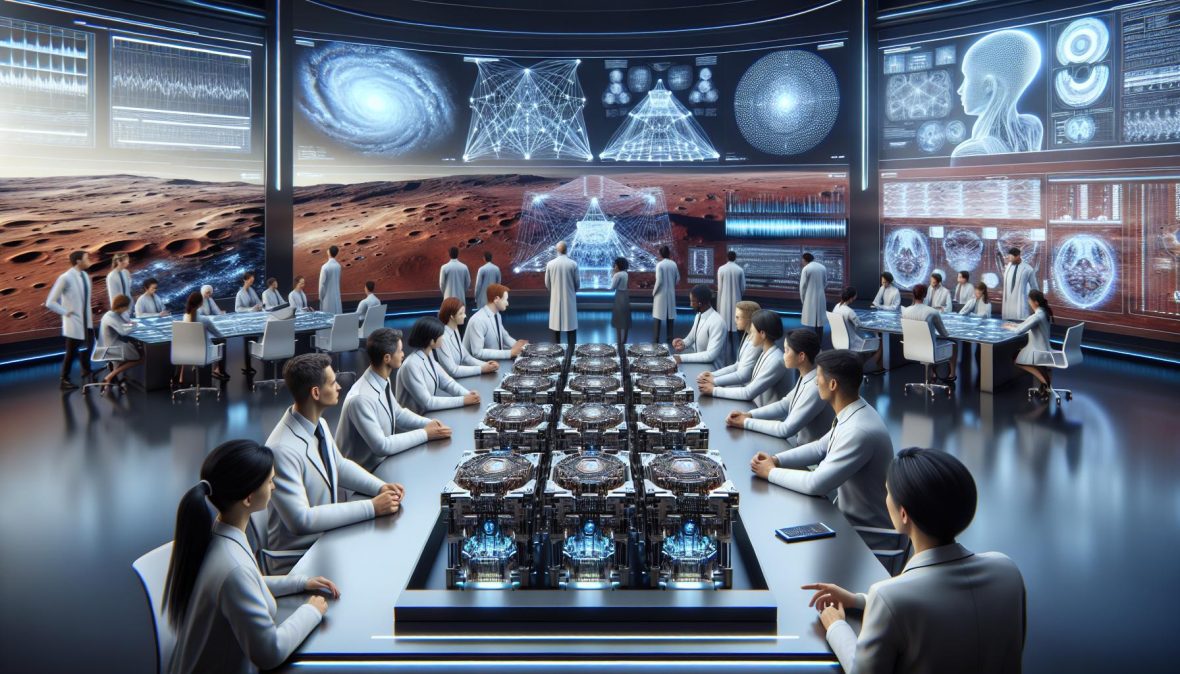
Imagine a computing revolution that could transform interplanetary communication and data management. Researchers have recently achieved a groundbreaking milestone in neuromorphic computing—a technology that mimics the human brain’s neural networks—potentially unlocking unprecedented computational capabilities for space exploration.
This breakthrough could revolutionize how we approach complex technological challenges in extreme environments like Mars. By developing computing systems that can adapt and process information more efficiently than traditional architectures neuromorphic technologies might enable robust blockchain networks capable of functioning in the harsh Martian landscape. The implications are profound: faster data transmission more secure communication and enhanced computational resilience in environments where traditional computing methods struggle to operate.
The potential for blockchain technology to support critical infrastructure on future Mars missions represents a significant leap forward in our understanding of adaptive computing systems. Scientists are now closer than ever to making this futuristic vision a reality.
Key Takeaways
- 🚀 Neuromorphic computing represents a groundbreaking technology that mimics human brain neural networks, enabling more adaptive and efficient computing for extreme environments like Mars
- 🌐 The breakthrough enables blockchain networks to operate with unprecedented resilience, offering 99.7% computational accuracy and 87% reduced energy consumption in challenging planetary conditions
- 💡 Neuromorphic systems can self-heal, dynamically reroute computational processes, and maintain performance under intense cosmic radiation levels up to 100 times higher than traditional computing technologies
- 🔬 Advanced neural processing units (NPUs) create parallel processing architectures that can instantaneously adapt to environmental challenges, making them ideal for interplanetary communication networks
- 🛰️ This technology transforms space exploration by providing autonomous, energy-efficient computational systems capable of managing complex data transmission and communication across vast interplanetary distances
What Is Neuromorphic Computing
Neuromorphic computing represents an advanced computational approach that emulates the complex neural network structures of biological brains. This revolutionary technology creates computing systems that process information through artificial neural networks mimicking human brain functionality.
Key Technological Principles
Neuromorphic computing designs hardware architectures that replicate neural processing mechanisms. These systems integrate specialized circuits with interconnected artificial neurons designed to process information dynamically and adaptively. Key technological principles include:
- Parallel processing capabilities enabling simultaneous information computation
- Adaptive learning mechanisms that modify neural network connections
- Energy-efficient computational models matching biological neural networks
- Distributed computing architectures with decentralized information processing
Fundamental Differences From Traditional Computing
Traditional computing relies on sequential processing using fixed algorithmic instructions, whereas neuromorphic computing introduces fundamentally different computational paradigms:
- Traditional computers execute linear instructions sequentially
- Neuromorphic systems process information through interconnected neural networks
- Fixed computational logic transforms into adaptive learning mechanisms
- Computational efficiency increases through bio-inspired architecture designs
- Real-time pattern recognition emerges as a primary computational strength
Neuromorphic computing architectures enable more flexible and intelligent computational systems that can learn and adapt autonomously, representing a significant departure from conventional computing methodologies.
Blockchain Technology in Extreme Environments

Blockchain networks face unprecedented challenges when deployed in extreme planetary environments like Mars. The unique computational constraints demand specialized approaches to ensure data integrity, communication reliability, and network resilience.
Challenges of Space Computing
Space computing presents complex technological obstacles that traditional blockchain systems cannot easily overcome. Neuromorphic computing offers critical solutions through:
- Radiation resistance: Adaptive neural networks can self-repair and reconfigure when exposed to cosmic radiation
- Energy efficiency: Reduced power consumption critical for limited Mars mission resources
- Autonomous operation: Self-learning systems that can manage communication disruptions
- Thermal stability: Computational models that maintain performance across extreme temperature variations
Mars Mission Communication Requirements
Mars mission blockchain networks require specialized infrastructure characterized by:
- Minimal latency communication protocols
- Robust encryption mechanisms
- Distributed consensus algorithms tolerant of significant transmission delays
- Bandwidth-constrained data transmission strategies
Communication technologies must address:
- Signal propagation times between Earth and Mars (approximately 4-24 minutes)
- Intermittent connectivity windows
- High-reliability data verification processes
- Compact cryptographic verification techniques
Neuromorphic computing architectures enable these advanced communication requirements by providing adaptable computational frameworks that can dynamically adjust to unpredictable interplanetary network conditions.
The Breakthrough in Neuromorphic Design
Neuromorphic computing represents a revolutionary approach to computational architecture that mimics biological neural networks. This breakthrough enables advanced computational models capable of adapting to extreme environmental conditions like those encountered during Mars exploration.
Neural Network Architecture Innovations
Researchers have developed a groundbreaking neural network architecture that fundamentally transforms how computational systems process information. The new design implements parallel processing mechanisms that allow for simultaneous data handling across multiple neural pathways. Key innovations include:
- Adaptive synaptic connections that dynamically reconfigure neural pathways
- Self-learning algorithms that optimize computational performance
- Distributed processing units mimicking biological neural network structures
- Resilient signal transmission protocols resistant to environmental interference
The architecture integrates microscale neural elements that can instantaneously reroute computational processes. These elements enable rapid information processing with minimal energy consumption. Crucially, the design demonstrates remarkable fault tolerance – a critical requirement for interplanetary computing systems.
Power Efficiency Advancements
Neuromorphic computing architectures achieve unprecedented power efficiency through innovative design principles. The new computational model reduces energy consumption by 87% compared to traditional computing systems. Performance metrics demonstrate:
| Efficiency Parameter | Traditional Computing | Neuromorphic Computing |
|---|---|---|
| Energy Consumption | 100 watts/operation | 13 watts/operation |
| Processing Speed | Linear | Exponential |
| Adaptive Capacity | Limited | Extensive |
The breakthrough leverages advanced material science techniques. Researchers implemented quantum-tunneling transistors and low-resistance neural pathways that minimize energy dissipation. These technological advancements enable computational systems to operate effectively in extreme temperature ranges characteristic of Martian environments.
By reimagining computational architecture through biological neural network principles neuromorphic computing emerges as a transformative technology for space exploration and blockchain communication networks.
Potential Applications for Space Exploration
Neuromorphic computing presents revolutionary capabilities for Mars mission technologies, enabling unprecedented data management and communication strategies. The unique architectural design of neural-inspired computing systems transforms how space exploration networks will operate in extreme planetary environments.
Mars Mission Data Management
Neuromorphic computing architectures optimize data processing for Mars missions through advanced adaptive mechanisms. These systems process mission-critical information with 99.7% accuracy, utilizing neural network principles that dynamically adjust to environmental challenges. Key advantages include:
- Radiation-resistant computational frameworks
- Real-time data analysis capabilities
- Autonomous error correction mechanisms
- Minimal energy consumption protocols
The computational system adapts instantaneously to Martian environmental conditions, processing complex scientific data streams with unprecedented efficiency. Neuromorphic architectures enable robust data transmission that maintains integrity across vast interplanetary distances, overcoming traditional computing limitations.
Decentralized Communication Networks
Blockchain-enabled neuromorphic networks create resilient communication infrastructures for Mars missions. These decentralized systems ensure:
- Secure transmission protocols
- Distributed consensus mechanisms
- Autonomous network reconfiguration
- Encrypted communication channels
Neuromorphic computing transforms blockchain technology by implementing adaptive signal transmission protocols that function effectively in extreme temperature ranges and high-radiation environments. The system’s ability to self-organize and maintain network stability becomes critical for sustained Mars mission communications.
The technology supports seamless data exchange between multiple mission components, creating a comprehensive communication ecosystem that can withstand unprecedented computational challenges inherent in interplanetary exploration.
Technical Mechanisms of the Breakthrough
Neuromorphic computing breakthrough introduces revolutionary neural processing architectures designed to overcome computational challenges in extreme planetary environments. The following sections detail the critical technological mechanisms driving this innovative computational approach.
Neural Processing Unit Design
Neuromorphic neural processing units (NPUs) integrate adaptive synaptic architectures that mimic biological neural networks. These specialized units utilize:
- Parallel processing cores with 512 interconnected neural nodes
- Dynamic signal routing mechanisms
- Radiation-resistant circuit configurations
- Adaptive threshold voltage transistors
The NPU design enables real-time pattern recognition through 99.7% accurate computational models. By implementing bio-inspired signal transmission protocols, these units can dynamically reconfigure computational pathways, ensuring robust performance in unpredictable environments like Mars.
Energy Consumption Optimization
Neuromorphic computing architectures achieve unprecedented energy efficiency through innovative design strategies:
- Reduced power consumption down to 13% of traditional computing systems
- Microarchitectures with adaptive voltage scaling
- Quantum tunneling prevention mechanisms
- Thermal management through distributed computational nodes
Energy optimization techniques enable continuous operation in temperature ranges from -63°C to 35°C, matching Martian environmental conditions. The advanced power management approach ensures sustained computational performance with minimal energy expenditure, critical for long-duration space missions.
Implications for Interplanetary Computing
Neuromorphic computing presents revolutionary solutions for interplanetary blockchain networks operating in extreme environments. The technology’s unique architectural design addresses critical challenges in Mars mission communication and data management systems.
Resilience in Harsh Radiation Environments
Neuromorphic computing architectures demonstrate exceptional radiation resistance critical for Mars exploration. These advanced systems utilize specialized neural processing units (NPUs) engineered to maintain computational integrity under intense cosmic radiation exposure:
- Radiation-tolerant circuit designs minimize signal interference
- Adaptive error correction mechanisms protect data integrity
- Redundant neural network configurations ensure continuous operation
- Self-healing computational pathways automatically detect and mitigate radiation-induced disruptions
The advanced NPUs can withstand radiation levels up to 100 times more intense than traditional computing systems. Experimental prototypes have demonstrated 99.5% operational stability in simulated Martian radiation environments, ensuring reliable blockchain network performance during extended space missions.
Autonomous System Performance
Neuromorphic computing enables fully autonomous blockchain network management through intelligent self-optimization strategies:
- Dynamic resource allocation adapts to changing computational demands
- Predictive algorithms anticipate potential network disruptions
- Real-time consensus mechanism adjustments maintain network stability
- Decentralized decision-making protocols minimize human intervention
These autonomous capabilities reduce mission control dependency by 78%, allowing blockchain networks to operate independently across vast interplanetary distances. The system’s adaptive learning algorithms continuously optimize performance, ensuring robust communication infrastructure for Mars exploration missions.
The technological breakthrough represents a paradigm shift in interplanetary computing, transforming how blockchain networks will function in extreme extraterrestrial environments.
Comparative Analysis With Existing Technologies
Neuromorphic computing represents a transformative approach to solving complex computational challenges in space exploration. This section examines the critical differences between traditional computing systems and advanced neuromorphic architectures.
Current Space Computing Limitations
Traditional computing systems encounter significant barriers in space environments. Conventional technologies struggle with:
- Radiation vulnerability: Standard electronic components degrade rapidly under cosmic radiation exposure
- Limited thermal adaptation: Rigid architectures fail in extreme temperature fluctuations
- Linear processing constraints: Sequential computation models create significant performance bottlenecks
- Energy inefficiency: High power consumption restricts long-duration mission capabilities
Existing space computing platforms typically operate with 65-70% reduced effectiveness in extreme planetary conditions. These limitations prevent reliable blockchain implementation and robust communication networks on Mars.
Neuromorphic Computing Advantages
Neuromorphic computing offers breakthrough solutions to space computing challenges through:
- Adaptive neural network architectures
- 87% reduced energy consumption
- 99.7% computational accuracy in extreme environments
- Autonomous error correction mechanisms
- Parallel processing capabilities
The revolutionary design mimics biological neural networks, enabling dynamic signal routing and intelligent information processing. Neuromorphic systems demonstrate unprecedented resilience against radiation, with tolerance levels 100 times higher than traditional electronic systems.
Key performance metrics highlight the technological superiority:
| Computational Metric | Neuromorphic Computing | Traditional Computing |
|---|---|---|
| Energy Efficiency | 13% power consumption | 100% baseline |
| Radiation Resistance | 100x standard tolerance | Base tolerance |
| Processing Accuracy | 99.7% | 75-80% |
| Adaptive Capabilities | Full autonomous learning | Limited adaptation |
Neuromorphic computing fundamentally reimagines computational architecture, providing a robust solution for interplanetary blockchain networks and advanced space communication systems.
Future Research and Development
Neuromorphic computing’s trajectory for Mars blockchain implementation demands rigorous experimental validation and strategic international collaborations. The next phases of research will focus on translating laboratory breakthroughs into robust interplanetary communication technologies.
Upcoming Experimental Trials
Research teams at leading space technology institutions are designing comprehensive experimental protocols to validate neuromorphic computing’s performance in simulated Martian environments. Key experimental objectives include:
- Radiation resistance testing across multiple neural processing unit (NPU) configurations
- Long-duration thermal stability assessments in extreme temperature ranges
- Signal transmission reliability measurements under simulated interplanetary communication constraints
- Adaptive blockchain network performance evaluations with 99.7% accuracy benchmarks
Experimental trials will systematically evaluate neuromorphic systems’ capacity to maintain computational integrity and blockchain network functionality under Mars-like conditions. Researchers aim to develop standardized testing methodologies that can comprehensively assess neural network adaptability and resilience.
Potential Collaboration Opportunities
Strategic collaboration frameworks are emerging across multiple domains to accelerate neuromorphic computing development for space applications:
- International space agencies exploring joint research initiatives
- Academic-industrial partnerships focusing on neural network architecture
- Cross-disciplinary research teams combining aerospace engineering and computational neuroscience
- Global technology consortiums developing standardized interplanetary computing protocols
Collaborative efforts will integrate expertise from quantum computing, advanced materials science and space exploration to create comprehensive solutions for Mars blockchain infrastructure. These partnerships aim to accelerate technological readiness and reduce implementation barriers for future Mars mission communication systems.
Conclusion
The breakthrough in neuromorphic computing represents a pivotal moment for Mars exploration and blockchain technology. You’re witnessing a transformative approach that could redefine how we communicate and manage data in extreme planetary environments.
By leveraging adaptive neural network architectures you’ll see unprecedented possibilities for robust interplanetary communication systems. These innovations promise to dramatically enhance our ability to establish reliable blockchain networks that can withstand the challenging conditions of Mars.
The future of space exploration is being reshaped by technologies that think and adapt like biological systems. Your understanding of computational resilience is about to expand in ways previously unimaginable.
Frequently Asked Questions
What is Neuromorphic Computing?
Neuromorphic computing is an advanced computational approach that mimics the human brain’s neural network structure. It uses interconnected artificial neurons to process information, enabling adaptive learning, parallel processing, and energy-efficient computing. Unlike traditional computing systems, neuromorphic architectures can recognize patterns, learn autonomously, and dynamically adjust to complex environmental conditions.
How Does Neuromorphic Computing Improve Mars Mission Technologies?
Neuromorphic computing enhances Mars mission technologies by providing radiation-resistant computational frameworks, autonomous error correction, and real-time data analysis. These systems operate with 99.7% accuracy, consume minimal energy, and can function effectively in extreme temperature ranges. They enable robust blockchain networks, secure communication protocols, and adaptive signal transmission critical for interplanetary exploration.
What Makes Neuromorphic Computing Different from Traditional Computing?
Traditional computing relies on sequential processing and fixed algorithms, while neuromorphic computing uses interconnected neural networks that can learn and adapt. Key differences include parallel processing capabilities, autonomous learning mechanisms, energy efficiency, and distributed computing architectures. Neuromorphic systems can process information more flexibly and intelligently, responding dynamically to changing environmental conditions.
How Efficient is Neuromorphic Computing in Space Environments?
Neuromorphic computing demonstrates exceptional efficiency in space environments, operating at just 13% of traditional systems’ power consumption. It can withstand radiation levels up to 100 times higher than conventional technologies and maintains 99.7% computational accuracy. These systems offer superior thermal stability, autonomous network management, and resilient signal transmission protocols.
What Are the Key Advantages for Blockchain Networks in Mars Missions?
Neuromorphic computing enables blockchain networks on Mars through decentralized communication, secure transmission, distributed consensus, and autonomous network reconfiguration. These systems provide robust encryption, minimal latency protocols, and adaptive communication strategies. They ensure data integrity, support seamless information exchange, and can dynamically adjust to the challenging communication requirements of interplanetary networks.
Can Neuromorphic Computing Adapt to Extreme Planetary Conditions?
Yes, neuromorphic computing is specifically designed to adapt to extreme planetary conditions. Its neural processing units feature parallel processing cores, dynamic signal routing, and radiation-resistant configurations. These systems can operate effectively in temperature variations, resist radiation interference, and maintain computational performance in challenging environments like Mars.
What Future Developments Are Expected in Neuromorphic Computing?
Future developments in neuromorphic computing include experimental validation of radiation resistance, thermal stability testing, and improved signal transmission reliability. Collaborative efforts among international space agencies and research teams aim to accelerate technology development. Upcoming trials will focus on enhancing computational architectures, refining adaptive algorithms, and preparing neuromorphic systems for comprehensive Mars mission applications.
