

Top 10 Crypto Coins to Buy in 2025: Smart Investment Guide
November 14, 2024
2650 Views
Discover the top 10 cryptocurrency coins to invest in, carefully selected for their potential growth,…
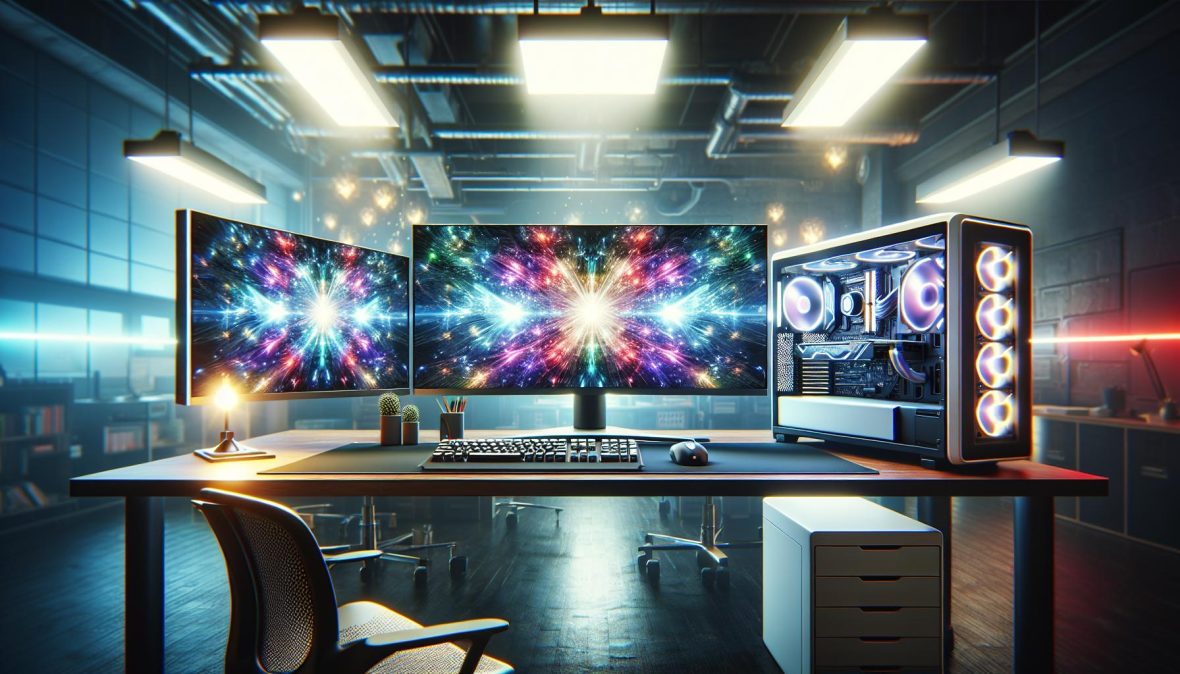
In the rapidly evolving world of blockchain technology cryptocurrency enthusiasts are constantly seeking innovative digital assets that promise unique value propositions. Render Coin emerges as a particularly intriguing player in this dynamic landscape offering something beyond traditional cryptocurrency paradigms.
Designed to revolutionize digital rendering and graphics processing the Render Network provides a decentralized marketplace that connects GPU owners with creators who need substantial computational power. By leveraging blockchain technology the platform enables users to monetize their unused GPU resources while offering affordable and efficient rendering solutions for complex graphic and computational tasks.
If you’re curious about how this groundbreaking cryptocurrency is transforming the digital rendering ecosystem and creating new opportunities for both technology professionals and blockchain investors you’ll want to dive deeper into understanding the Render Network’s revolutionary approach.
Render Token represents a blockchain-based platform connecting GPU owners with digital content creators who need computational power for rendering tasks. The cryptocurrency enables decentralized GPU rendering through a specialized network that transforms idle graphics processing resources into valuable computational services.
Jules Urbach founded Render Network in 2017 as a decentralized marketplace for graphics rendering. The platform emerged from Urbach’s vision to create an efficient solution for high-performance computing challenges in digital content creation. By leveraging blockchain technology Render Network allows individual GPU owners to rent their unused computational resources to professionals needing intensive rendering capabilities.
Render Token operates on a peer-to-peer distributed computing model that matches GPU providers with users requiring rendering services. The network uses a proof-of-render consensus mechanism where GPU owners receive RNDR tokens as compensation for processing complex graphics tasks. Key technological features include:
The platform supports various rendering applications across industries like:
Render Network’s infrastructure enables creators to access scalable computing power without investing in expensive hardware. GPU providers can monetize idle graphics processing units while contributing to a global computational ecosystem.
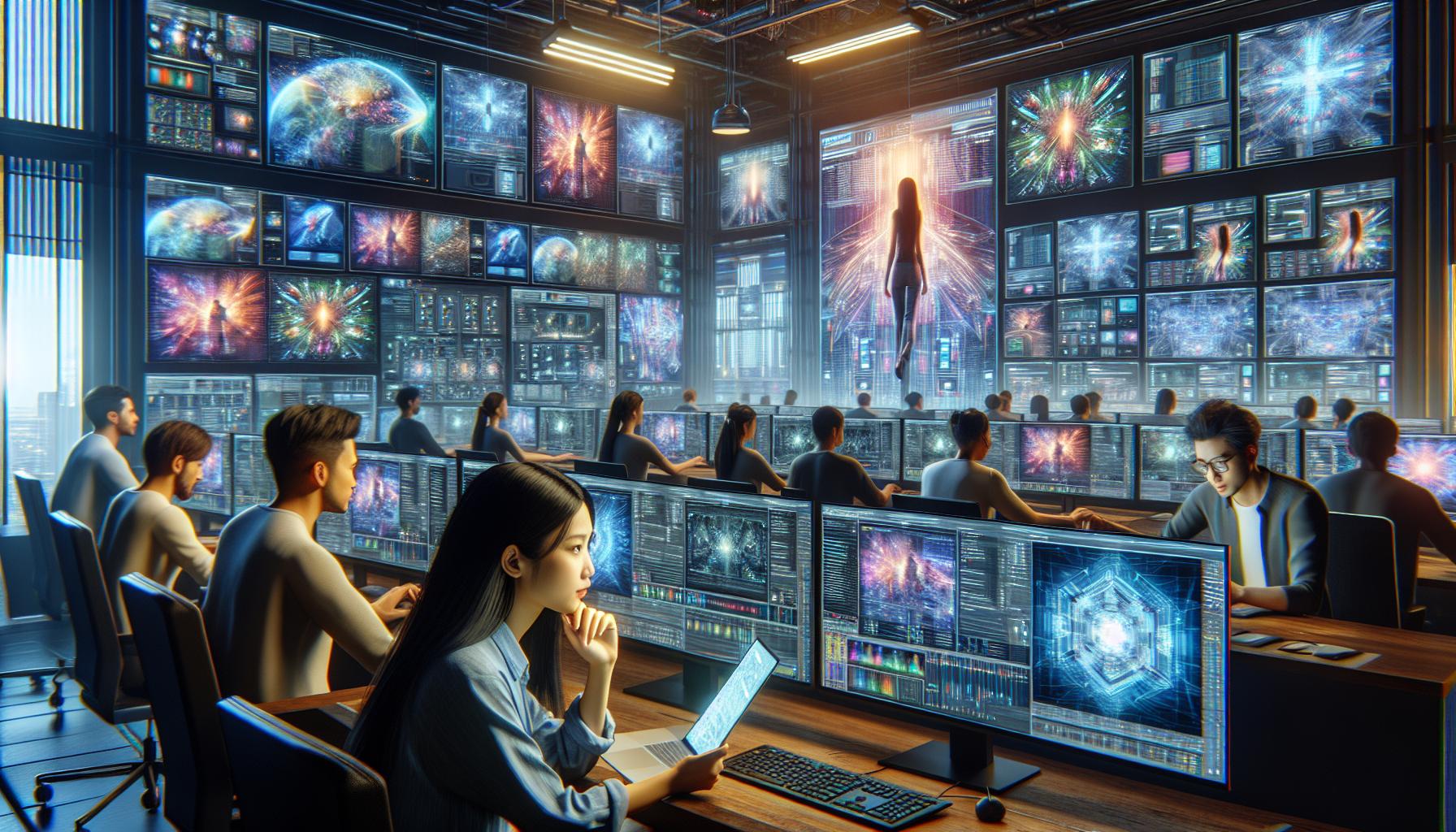
The Render Network operates as a decentralized platform connecting GPU owners with computational resource seekers. Its innovative blockchain infrastructure enables efficient and transparent graphics processing across multiple industries.
Render Network leverages Ethereum blockchain technology to create a secure and transparent rendering marketplace. Smart contracts automate transactions between GPU providers and users requesting rendering services. The platform uses proof-of-render consensus mechanisms to validate computational tasks and ensure fair compensation for resource contributors.
Key blockchain infrastructure components include:
The GPU rendering marketplace connects individuals and organizations with idle graphics processing units to users requiring high-performance computational resources. Render Network enables GPU owners to monetize unused hardware by providing rendering services across various digital content creation domains.
Marketplace features encompass:
The platform supports rendering tasks for industries including:
Render Network transforms computational resource allocation by creating an efficient decentralized marketplace that maximizes GPU utilization and provides cost-effective rendering solutions.
Render Coin’s technical infrastructure represents a sophisticated blockchain-powered platform for decentralized GPU rendering. The network integrates advanced computational resource allocation mechanisms with blockchain technology to create a unique rendering marketplace.
RNDR token operates as the primary economic instrument within the Render Network. Its value derives from three core mechanisms:
| Economic Feature | Description | Impact |
|---|---|---|
| Token Supply | Fixed total supply of 536.87 million RNDR | Prevents inflation |
| Transaction Fees | Small percentage retained for network maintenance | Supports infrastructure |
| Staking Rewards | GPU providers earn additional tokens | Encourages network participation |
Render Network delivers robust computational infrastructure through:
Performance metrics demonstrate 40-60% faster rendering times compared to traditional centralized systems. The network supports multiple computational workloads including 3D animation, machine learning graphics, and scientific visualization.
Smart contract protocols automate and secure network interactions:
Ethereum blockchain integration ensures transparent, immutable transaction records and eliminates intermediary processing barriers.
Render Coin presents a unique investment opportunity in the blockchain and computational technology sector. The network’s innovative approach to decentralized GPU rendering creates potential value for investors interested in emerging blockchain technologies.
Render Token (RNDR) demonstrates volatility typical of cryptocurrency markets. Market capitalization fluctuates based on technological developments, platform adoption, and broader blockchain industry trends. Key performance indicators include:
| Metric | Current Status |
|---|---|
| Trading Volume | $15-25 million daily |
| Market Ranking | Top 100 cryptocurrencies |
| Blockchain Platform | Ethereum-based |
RNDR’s price history reflects significant growth and market interest. Price movements correlate with:
Documented price ranges show:
Render Coin’s growth potential stems from:
Projected factors influencing future value:
Investment considerations include assessing technological capabilities, market positioning, and long-term network development strategies.
The Render Network stands out in the blockchain rendering ecosystem by offering unique technological solutions for decentralized GPU computing. This section explores the platform’s competitive landscape and distinctive features compared to alternative blockchain rendering services.
Render Network differentiates itself through several critical competitive advantages:
Render Network provides a specialized value proposition for digital content creators:
The platform bridges computational resource gaps by creating a decentralized, efficient rendering marketplace that empowers individual GPU owners and content creators globally.
Render Coin presents several critical challenges that potential investors and users must carefully evaluate. These risks span market dynamics, technological constraints, and regulatory landscapes that could impact the platform’s long-term viability.
Cryptocurrency markets demonstrate extreme price fluctuations for Render Token (RNDR). Historical data shows price ranges from $0.50 to $8.72, with daily trading volumes between $15-25 million. Market sentiment, technological developments, and broader blockchain ecosystem trends directly influence RNDR’s valuation. Investors should anticipate significant price swings based on platform adoption rates, network performance, and global cryptocurrency market conditions.
The Render Network faces several technological challenges that could impede its growth. GPU resource allocation algorithms require continuous optimization to ensure efficient task distribution. Potential bottlenecks include:
Blockchain integration complexities and computational resource verification remain ongoing technical challenges for the platform’s seamless operation.
Cryptocurrency regulations present substantial uncertainty for Render Coin’s ecosystem. Key regulatory risks include:
Regulatory environments vary significantly across regions, potentially impacting Render Network’s operational capabilities and user adoption strategies. Investors must monitor evolving legal landscapes that could affect cryptocurrency and decentralized computing platforms.
Render Coin represents a groundbreaking intersection of blockchain technology and digital rendering. You’ll find its potential extends far beyond traditional computational resource management by offering a decentralized marketplace that empowers GPU owners and content creators alike.
As the digital landscape continues evolving you can expect Render Network to play an increasingly significant role in transforming how computational resources are shared and monetized. Its innovative approach provides a glimpse into the future of distributed computing and blockchain-enabled technology solutions.
While challenges remain the platform’s robust technological framework and clear value proposition position it as a promising player in the blockchain ecosystem. Your understanding of its capabilities and potential will be crucial in navigating this emerging digital frontier.
The Render Network is a decentralized blockchain platform that connects GPU owners with creators needing computational power for graphics processing. It allows individuals to rent their unused GPU resources and earn RNDR tokens while providing cost-effective rendering solutions for industries like 3D animation, visual effects, and game development.
The Render Network operates as a peer-to-peer distributed computing marketplace using Ethereum blockchain technology. GPU owners can list their idle computational resources, while creators can purchase rendering services through smart contracts. The platform uses a proof-of-render consensus mechanism to validate tasks and ensure fair compensation for GPU providers.
RNDR Token is the native cryptocurrency of the Render Network, facilitating transactions between GPU providers and users requiring rendering services. It serves as a medium of exchange, allowing users to pay for computational resources and rewarding GPU owners who contribute their processing power to complex graphics tasks.
Jules Urbach founded the Render Network in 2017. The platform was developed to address high-performance computing challenges in digital content creation by creating a decentralized marketplace that enables individuals and organizations to monetize their unused GPU resources efficiently.
The Render Network supports multiple industries, including 3D animation, visual effects, machine learning graphics processing, scientific visualization, and game development. By providing accessible, cost-effective rendering solutions, it helps professionals and organizations optimize their computational resource usage.
Key advantages include 30-50% lower rendering costs compared to traditional cloud services, direct peer-to-peer GPU resource exchange, transparent pricing, secure blockchain transactions, and performance optimization through advanced task allocation algorithms. The platform offers economic incentives and accessibility for digital content creators.
RNDR’s investment potential depends on market dynamics, technological developments, and platform adoption. While it has shown significant growth, potential investors should consider market volatility, technological challenges, and regulatory uncertainties. The token ranks within the top 100 cryptocurrencies with daily trading volumes of $15-25 million.
Risks include cryptocurrency market volatility, potential technological limitations in GPU resource allocation, network scalability challenges, and regulatory uncertainties. Investors should carefully evaluate market sentiment, platform development progress, and long-term technological capabilities before making investment decisions.
Users can earn RNDR tokens by contributing their unused GPU resources to the network, completing rendering tasks, and participating in the decentralized marketplace. The proof-of-render mechanism rewards GPU providers based on their computational contributions and task completion performance.
Render Network distinguishes itself through its decentralized architecture, direct peer-to-peer GPU resource exchange, smart contract-based transactions, and transparent compensation mechanisms. It offers a unique solution for monetizing idle computational resources while providing affordable rendering services across multiple industries.

Discover the top 10 cryptocurrency coins to invest in, carefully selected for their potential growth,…

Dive into the dramatic Bitcoin crash, exploring market volatility, investor impacts, and critical insights that…

Discover Troy Coin: a cutting-edge cryptocurrency revolutionizing digital asset transactions with enhanced security, efficient blockchain…