


XRP Price Predictions 2025: Navigating Crypto’s Wild Ride
November 22, 2024
2615 Views
Explore XRP's price potential in 2024 with expert insights, market analysis, and key factors influencing…

The global economic landscape is witnessing a significant shift as BRICS nations assert their position in international finance. While the alliance of Brazil, Russia, India, China, and South Africa isn’t pursuing an anti-Western agenda, it’s clear they’re seeking alternatives to Western currency dominance.
Recent statements from Russian officials highlight BRICS’s growing influence in reshaping global financial dynamics. The alliance’s push for de-dollarization and development of alternative payment systems reflects their commitment to creating a more balanced international monetary system. You’ll find that this stance isn’t about opposition but rather about establishing economic sovereignty and reducing dependence on Western-controlled financial mechanisms.
BRICS represents a powerful economic alliance that shapes global financial dynamics through collaborative initiatives. The organization’s structure combines diverse economic strengths with shared development goals.
BRICS consists of five major emerging economies:
These nations collectively represent 42% of the global population and 24% of worldwide GDP.
BRICS pursues several strategic economic goals:
| Economic Indicator | BRICS Share |
|---|---|
| Global Population | 42% |
| Global GDP | 24% |
| International Trade | 18% |
| Foreign Exchange Reserves | 30% |
The alliance focuses on implementing digital assets for international transactions while maintaining sovereign financial systems. BRICS’s payment infrastructure development aims to facilitate smoother trade operations between member nations without exclusively relying on Western-dominated financial networks.
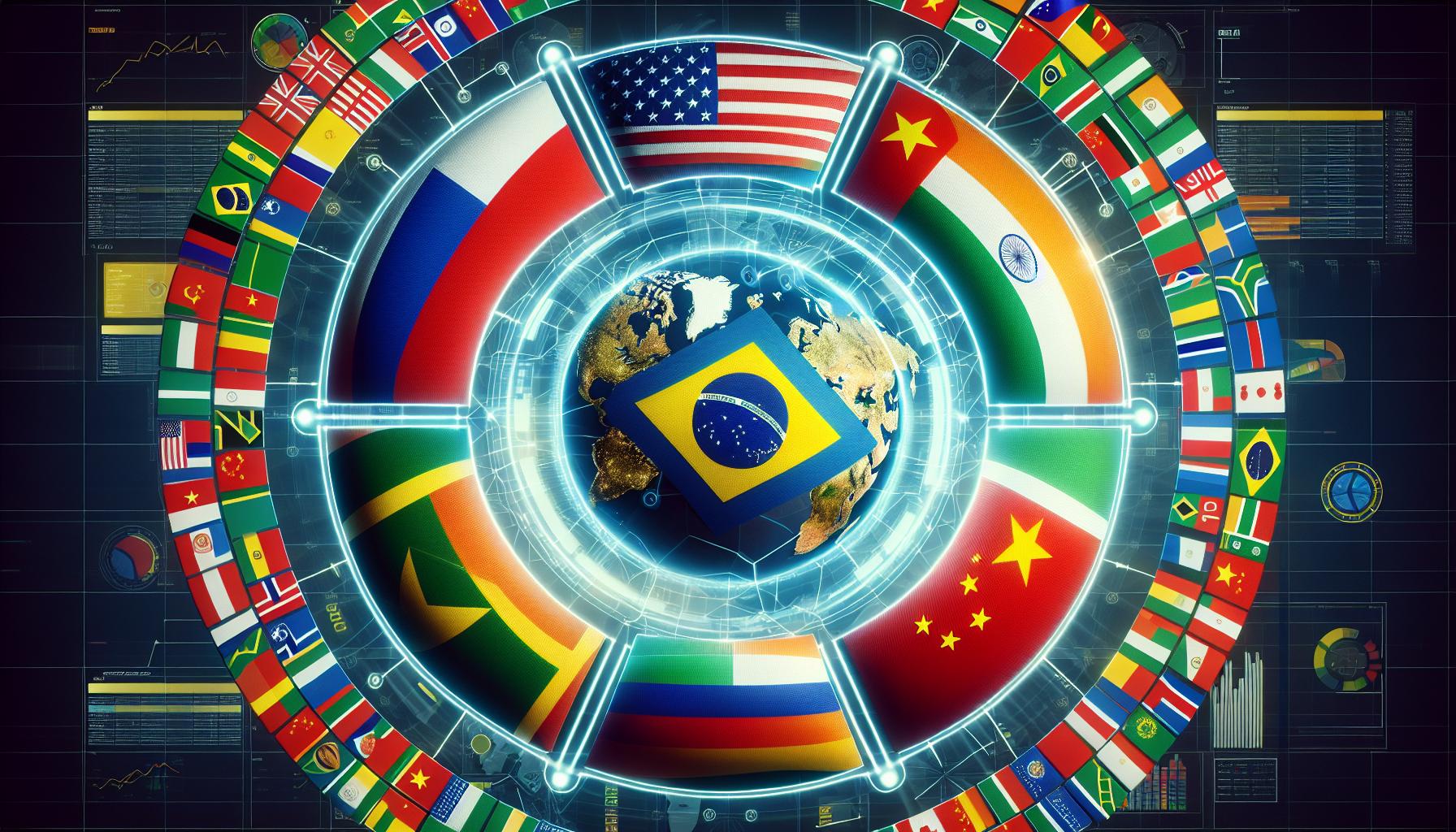
BRICS nations have implemented strategic initiatives to diversify international payment systems and reduce dependency on traditional Western financial mechanisms. These initiatives focus on creating alternative financial frameworks while maintaining economic cooperation with global partners.
BRICS countries are actively developing mechanisms to reduce U.S. dollar dominance in international trade:
| De-dollarization Metric | Current Status |
|---|---|
| Intra-BRICS Trade in Local Currencies | 30% |
| Combined Gold Reserves | $642.3 billion |
| NDB Project Funding | $32.8 billion |
BRICS has developed multiple solutions for international trade settlements:
| Settlement System | Transaction Volume (2023) |
|---|---|
| CIPS Usage | $3.2 trillion |
| Local Currency Trades | $428 billion |
| Digital Messaging System | 2.1 million transactions |
The integration of digital assets into BRICS payment systems enhances transaction efficiency while preserving member nations’ financial sovereignty.
Russia maintains a balanced approach in international economic relations while advocating for financial sovereignty within the BRICS alliance. This stance reflects a strategic shift toward multilateral economic partnerships rather than direct opposition to Western systems.
Russia’s diplomatic position emphasizes cooperation over confrontation in global economic matters. The Russian Ministry of Foreign Affairs confirms maintaining regular trade relations with Western nations through established channels while developing alternative financial mechanisms. Russian officials engage in diplomatic dialogue with Western counterparts on:
Russia leads initiatives within BRICS to develop autonomous financial instruments while preserving economic stability. The Central Bank of Russia reports specific targets for currency independence:
| Goal | Current Progress | Target |
|---|---|---|
| Local Currency Trade | 30% | 70% by 2025 |
| Gold Reserves | $140 billion | $200 billion |
| SPFS Integration | 250 banks | 500 banks |
Key currency independence strategies include:
The focus remains on creating parallel financial structures rather than replacing existing Western systems entirely. This approach allows for continued international commerce while reducing dependency on single-currency denominations.
BRICS nations operate through a strategic economic framework that balances independence from Western financial systems while maintaining productive trade relationships. This framework emphasizes multilateral cooperation in trade settlements without isolating from established global markets.
BRICS trade partnerships demonstrate significant growth through alternative settlement mechanisms while maintaining ties with Western economies. The alliance’s trade volume reached $422 billion in intra-BRICS commerce during 2022, with 30% settled in local currencies. Trade relationships include:
The BRICS financial cooperation structure creates parallel systems for international transactions while engaging with existing networks. Key cooperation models include:
| Financial Metric | Value |
|---|---|
| NDB Project Funding | $32.8 billion |
| Local Currency Trade | 30% of total |
| Combined Gold Reserves | 6,292 tonnes |
| Cross-Border Transactions | $128 billion |
| Infrastructure Projects | 80+ active |
The cooperation framework emphasizes technological integration through digital payment solutions integrated international settlement platforms connecting member states’ financial institutions.
Global currency dynamics are shifting as BRICS nations implement innovative financial systems to diversify international trade settlements. The transformation focuses on establishing parallel payment infrastructures while maintaining existing trade relationships.
BRICS nations are developing comprehensive digital payment networks to facilitate cross-border transactions. The Cross-Border Interbank Payment System (CIPS) connects 1,400 financial institutions across 104 countries, processing an average daily volume of $50 billion in transactions. The integration of blockchain technology enables secure real-time settlements through:
The multi-currency trading framework expands beyond traditional dollar-denominated transactions to create a balanced global financial ecosystem. Current implementations include:
| Trading Solution | Implementation Status | Coverage |
|---|---|---|
| Local Currency Settlements | Active | 30% of intra-BRICS trade |
| Gold-backed Transactions | Operational | 15% of cross-border trade |
| Digital Currency Exchange | In development | 5 member states |
| Bilateral Swap Agreements | Active | 22 partner countries |
Key features of the multi-currency framework include:
The BRICS alliance stands as a testament to evolving global economic dynamics where nations seek financial sovereignty without confrontation. Their approach focuses on creating parallel financial systems and alternative payment solutions while maintaining productive relationships with Western economies.
As you’ve seen through their initiatives and strategic frameworks BRICS isn’t positioning itself against the West but rather working toward a more balanced global financial ecosystem. The alliance’s commitment to local currency settlements digital payment systems and multilateral cooperation points to a future where multiple currencies can coexist in international trade.
This balanced approach showcases how nations can pursue economic independence while fostering global cooperation and sustainable development.
BRICS is an alliance of major emerging economies consisting of Brazil, Russia, India, China, and South Africa. These nations collectively represent 42% of the global population and 24% of worldwide GDP. The alliance focuses on economic cooperation and development among its member states.
The key objectives of BRICS include developing alternative payment systems, reducing dependency on SWIFT, establishing multilateral financial institutions like the New Development Bank, expanding cross-border trade in local currencies, and promoting sustainable economic development among member nations.
Intra-BRICS trade reached $422 billion in 2022, with approximately 30% of transactions settled in local currencies. The alliance continues to strengthen trade partnerships through cross-border payment agreements, bilateral currency swap arrangements, and joint infrastructure development projects.
The New Development Bank is a multilateral lending institution established by BRICS in 2014. It serves as an alternative to traditional Western-led financial institutions, providing funding for infrastructure and sustainable development projects within BRICS nations.
BRICS nations are implementing various strategies including local currency trade settlements, increasing gold reserves, establishing bilateral currency swap arrangements, and developing alternative payment systems like CIPS. They’re also exploring blockchain-based payment platforms and digital financial messaging systems.
The Cross-Border Interbank Payment System (CIPS) is a financial network that connects 1,400 financial institutions across 104 countries. It processes approximately $50 billion in daily transactions and serves as an alternative to Western-dominated payment systems.
No, BRICS pursues economic sovereignty without an anti-Western agenda. The alliance maintains productive trade relationships with Western nations while developing parallel systems for international transactions to reduce dependency on Western financial networks.
BRICS uses a multi-currency trading framework that includes local currency settlements, gold-backed transactions, bilateral swap agreements, and digital payment networks. The system emphasizes flexibility and sovereignty while maintaining efficient international trade operations.

Explore XRP's price potential in 2024 with expert insights, market analysis, and key factors influencing…

Lazarus hackers target Chrome users through fake NFT games, exploiting a zero-day vulnerability to execute…

Dive into the world of Labubu COIN, exploring its unique market dynamics, price trends, and…
